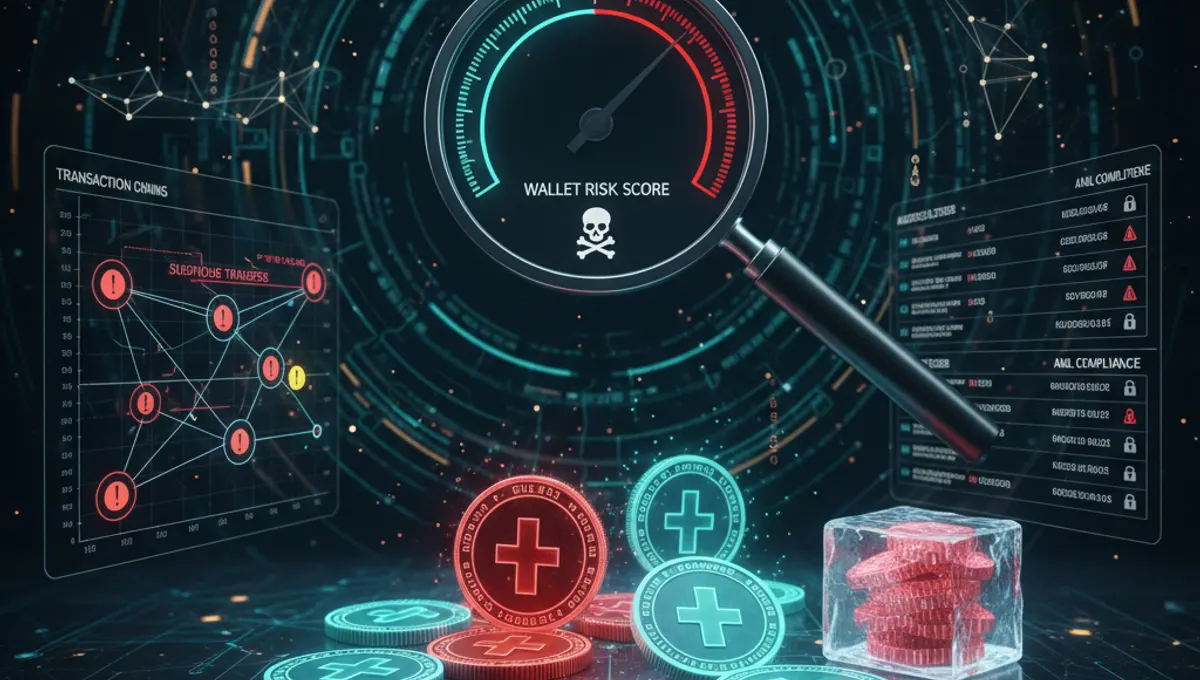
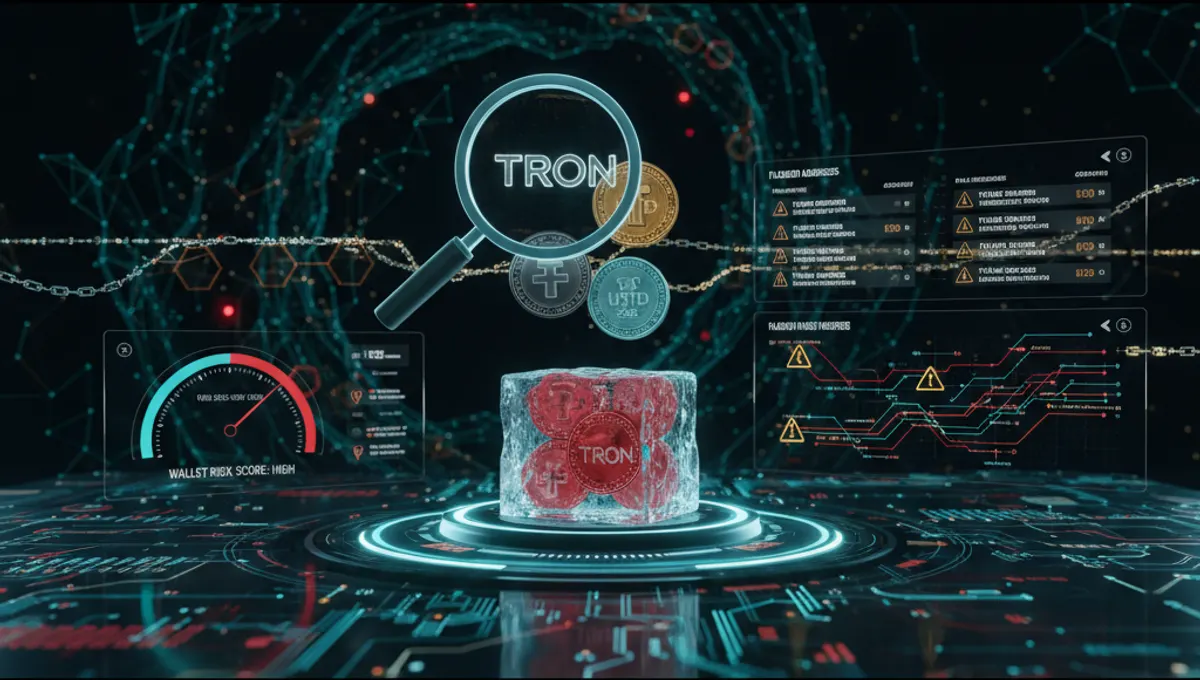
What Is a Tron Wallet Address Check?
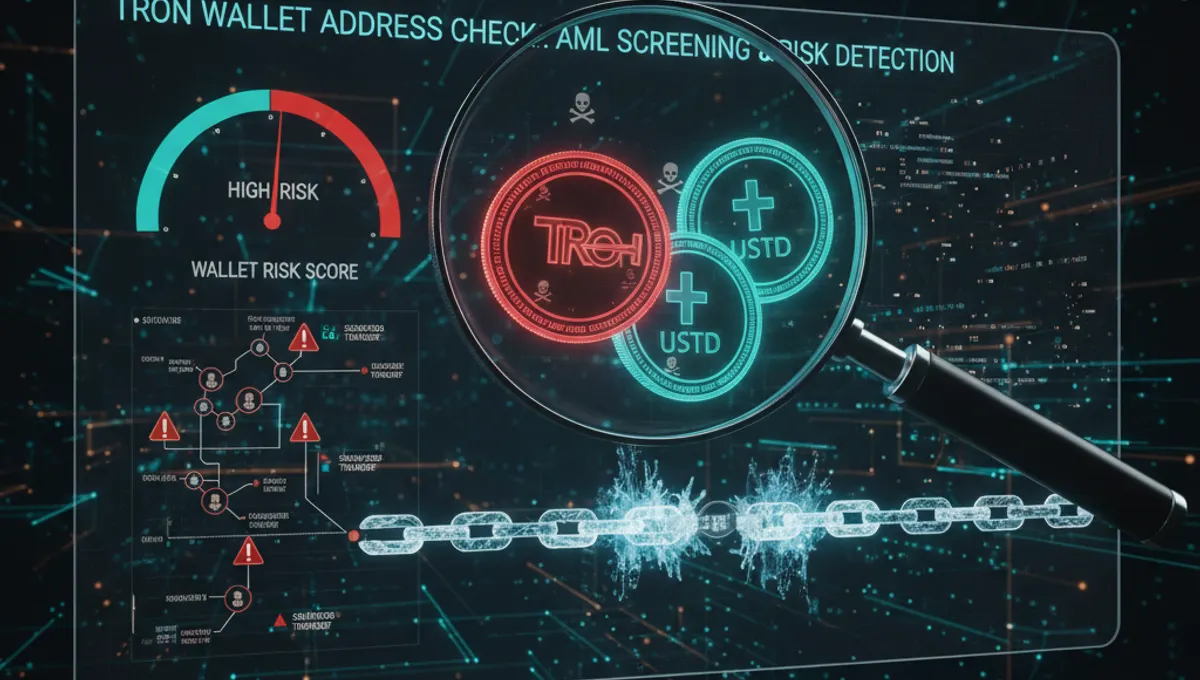
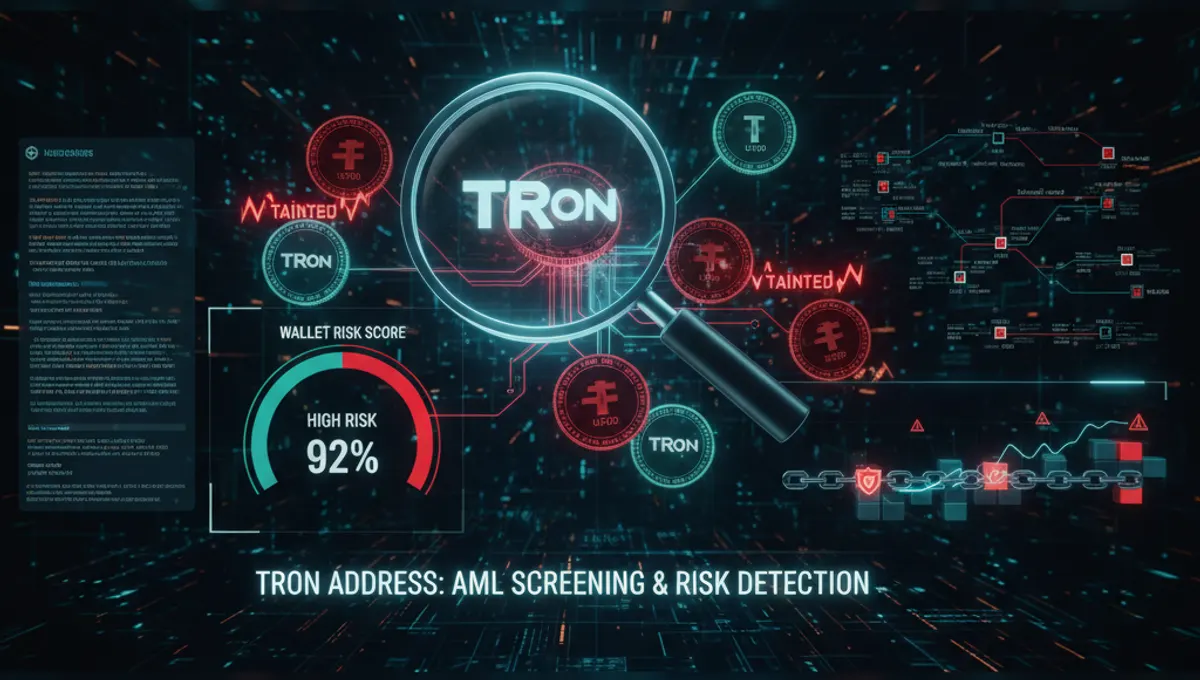
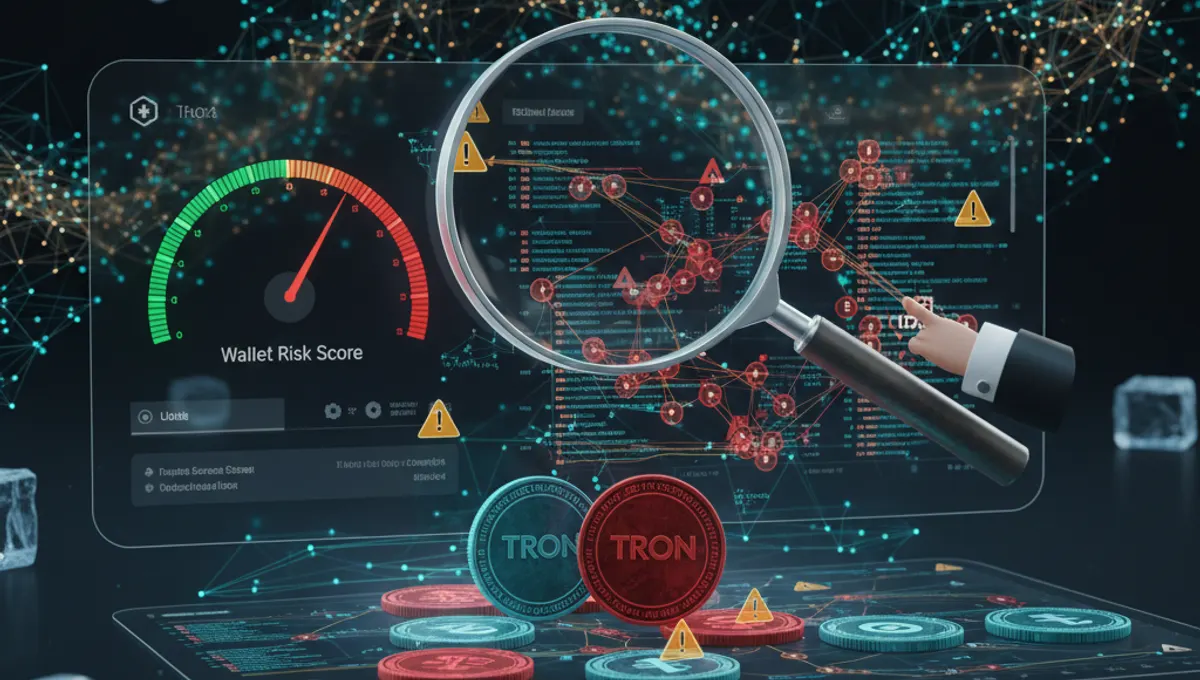
A Tron wallet address check is a screening process that analyzes your TRX or USDT TRC20 address against AML (Anti-Money Laundering) and sanctions databases. The check identifies whether funds linked to your address have been flagged as stolen, mixed through tumblers, associated with darknet markets, or connected to sanctioned entities. When you check a Tron address, the service returns a risk score and a detailed report of any red flags. This is different from a simple balance lookup; it's a compliance scan that protects you from receiving or holding compromised cryptocurrency. Exchanges, custodians, and institutional users rely on Tron address checks to meet regulatory requirements and avoid account freezes.
How AML Risk Scoring Works for Tron Addresses
AML risk scoring assigns a numerical or categorical rating to a Tron wallet based on its transaction history and associated addresses. Risk factors include: direct exposure to mixers or tumblers that obscure fund origins; connections to known darknet markets or gambling platforms; receipt of stolen funds reported by victims or law enforcement; links to sanctioned jurisdictions or individuals; and clustering with high-risk wallets. A low risk score (typically 0–20%) means the address has minimal exposure to illicit activity. Medium risk (20–50%) suggests some exposure but not necessarily direct involvement. High risk (50%+) indicates strong associations with suspicious or illegal activity. The scoring model combines on-chain analysis with external intelligence to flag addresses that may trigger exchange compliance reviews or account restrictions.
Step-by-Step: How to Check Your Tron Address
To check a Tron wallet address for AML risk, follow these steps:
1. Gather your Tron address: Copy your full TRX or USDT TRC20 wallet address (begins with T on Tron).
2. Visit a verified AML screening service: Use a trusted service from the curated AML Services list on this site to ensure accuracy and compliance.
3. Enter your address: Paste your Tron address into the screening tool.
4. Review the risk report: The service returns a risk score, flagged transactions, and associated entities.
5. Check for red flags: Look for mixer exposure, darknet links, stolen fund warnings, or sanctions matches.
6. Decide next steps: If risk is low, proceed with confidence. If medium or high, investigate further or consult compliance staff before transacting.
Most services complete a check within seconds. Some offer detailed reports with transaction graphs and entity profiles for deeper analysis.
What Tron Address Check Results Mean
When you check a Tron address, the report typically includes:
**Risk Score**: A percentage or label (low, medium, high) indicating overall compliance risk.
**Tainted Funds Detection**: Flags if the address has received coins previously stolen, lost in exchange hacks, or seized by authorities.
**Mixer Exposure**: Alerts if funds have passed through privacy mixers or tumblers that obscure transaction trails.
**Darknet Links**: Identifies if the address has transacted with known darknet market wallets or gambling platforms.
**Sanctions Screening**: Checks if the address matches any OFAC, UN, or EU sanctions lists.
**Transaction History**: Shows recent on-chain activity and clustering with other flagged addresses.
A clean report means your address has no known compliance issues. A flagged report requires investigation: you may need to document the source of funds, cease transactions, or notify your exchange.
Why Check a Tron Address Before Receiving Funds
Checking a Tron wallet address before receiving USDT or TRX protects you from several risks. If you receive tainted coins, exchanges may freeze your account during compliance reviews, delaying or blocking withdrawals. Stolen or sanctioned funds can be seized by authorities, leaving you with a loss. Mixing or darknet exposure can trigger automatic account restrictions at major platforms. Institutional users and businesses must check addresses to comply with KYC/AML regulations and avoid penalties. Even retail users benefit from knowing their wallet's risk profile before large transactions. A simple Tron address check takes seconds and can prevent costly compliance issues, account bans, or legal complications down the line.
Acceptable Risk Thresholds and Next Steps
Most exchanges and institutional services accept Tron addresses with a risk score below 20% without additional scrutiny. Addresses in the 20–50% range may trigger enhanced due diligence, requiring you to provide proof of fund source or transaction justification. Scores above 50% often result in account restrictions or transaction blocks. If your Tron address check returns a medium or high risk score, take these steps: first, review the specific flags in the report to understand the exposure; second, document the legitimate source of any flagged funds; third, contact your exchange's compliance team with evidence of legitimacy; fourth, consider using a fresh address for future transactions. If you discover you've received stolen or sanctioned funds, cease all activity and report it to your exchange immediately. Transparent communication with compliance teams often resolves issues faster than ignoring alerts.
Choosing a Trusted Tron Address Check Service
Not all AML screening services are equally reliable. When selecting a tool to check your Tron address, prioritize services that offer transparent methodology, real-time blockchain data, and integration with major sanctions lists (OFAC, UN, EU). Verify that the service specifically supports TRC20 and Tron mainnet screening, not just Bitcoin or Ethereum. Check whether the provider publishes their data sources and update frequency. Free tools may offer basic checks but lack depth; paid services typically include detailed transaction graphs, entity clustering, and historical analysis. The AML Services page on this site curates verified providers that meet compliance standards and deliver accurate risk assessments. Starting with a trusted service from that list ensures your Tron address check is reliable and defensible in audits or regulatory inquiries.
Frequently asked questions
How do I check a Tron wallet address for AML compliance?
Enter your Tron address into a verified AML screening service. The tool scans your address against sanctions lists, mixer databases, and darknet records, returning a risk score and detailed report within seconds. Use a trusted service from the AML Services list on this site for accurate results.
What does a high risk score mean for my Tron address?
A high risk score (typically above 50%) indicates your address has exposure to tainted funds, mixers, darknet activity, or sanctions lists. This may trigger exchange account reviews or restrictions. Review the specific flags in your report and contact your exchange's compliance team with evidence of legitimate fund sources.
Can I check a Tron address before receiving USDT TRC20?
Yes. Before receiving USDT or TRX, check your address to confirm it has no compliance red flags. This prevents account freezes or transaction blocks if the incoming funds are flagged as tainted. A quick Tron address check takes seconds and protects you from regulatory issues.
What happens if my Tron address is flagged as tainted?
If your address receives tainted coins, exchanges may freeze your account during compliance review. Document the legitimate source of your funds and contact your exchange's compliance team immediately. Provide transaction records or proof of origin. Transparent communication often resolves the issue without permanent account closure.
Is it free to check a Tron wallet address?
Some services offer free basic Tron address checks with limited detail. Paid services provide comprehensive reports with transaction graphs, entity clustering, and historical analysis. For critical compliance decisions, a paid check from a verified provider is more reliable than free alternatives.