What Is a Crypto Wallet Risk Score?
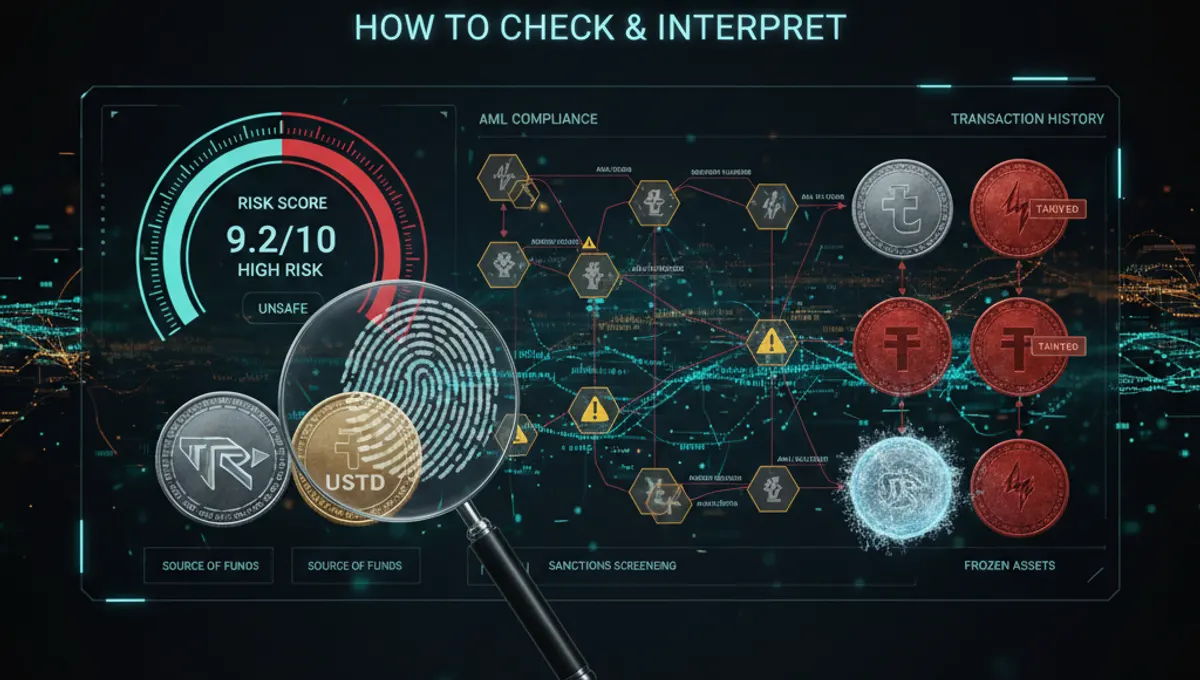
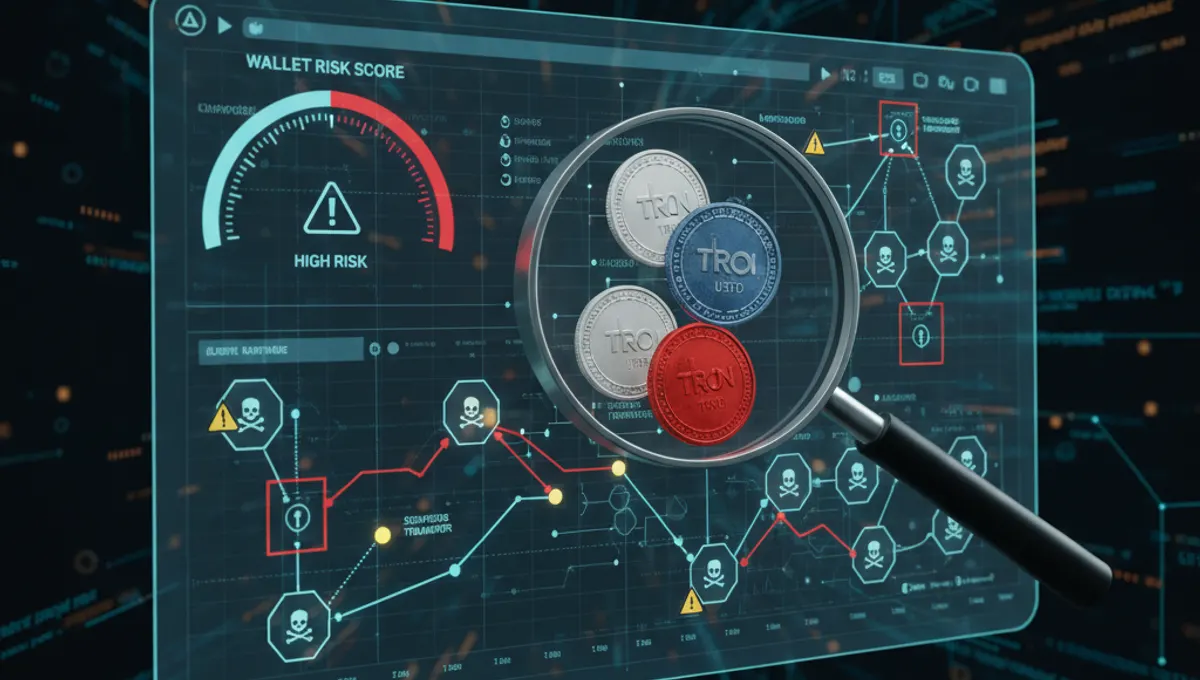
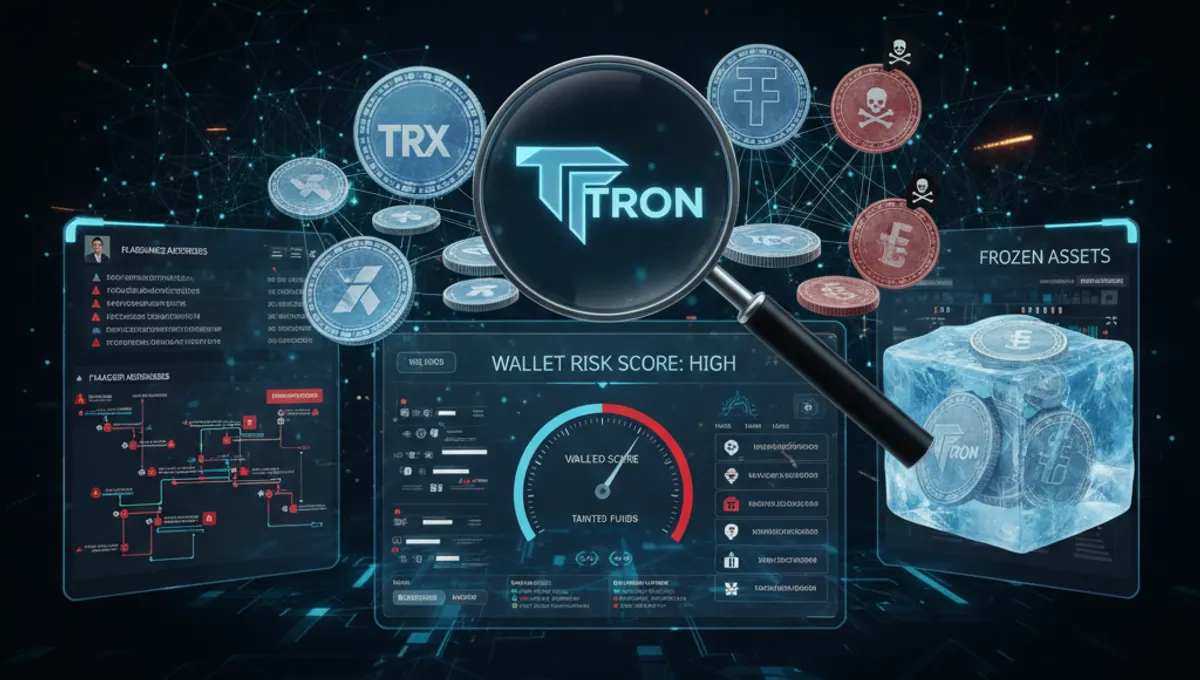
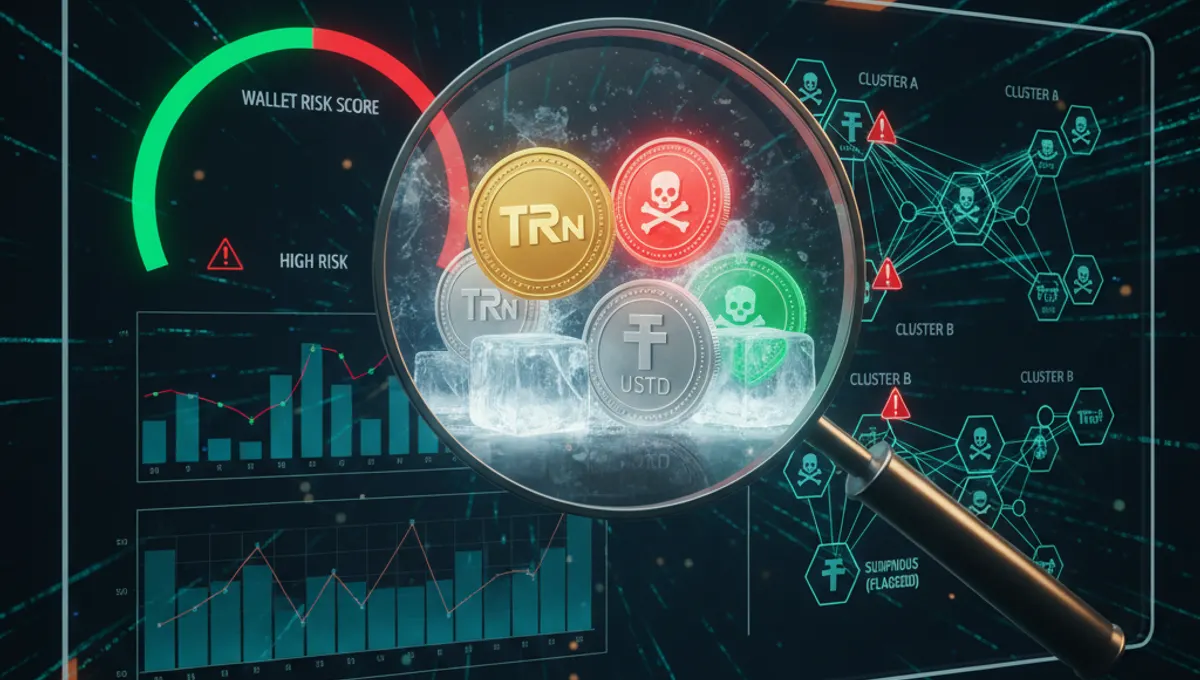
A crypto wallet risk score quantifies the compliance and security risk of a blockchain address. It is calculated by analyzing the wallet's transaction patterns, historical interactions, and connections to known problematic sources such as mixers, darknet markets, scams, and sanctioned entities. Risk scores typically range from 0 to 100, where lower scores indicate cleaner transaction histories and higher scores flag potential red flags. The score is not a judgment of the wallet owner's intent, but rather a data-driven assessment of the address's exposure to illicit or high-risk activity. Exchanges, custodians, and compliance teams use these scores to decide whether to accept deposits, process withdrawals, or freeze accounts. A wallet that has received funds from a mixer or stolen cryptocurrency source will carry a higher risk score, even if the current owner is unaware of the tainted coins' origin.
How AML Screening Calculates Wallet Risk Scores
AML (Anti-Money Laundering) screening services use blockchain analytics to trace the flow of funds and assign risk scores. The process involves several steps: first, the service indexes all transactions on the blockchain (Bitcoin, Tron, Ethereum, etc.) and builds a database of known risk entities—sanctioned addresses, stolen fund wallets, darknet market addresses, and gambling platforms. Second, it traces the transaction history of a target wallet backward and forward, identifying any direct or indirect connections to these risk sources. Third, it applies a scoring algorithm that weights factors such as the number of hops from a risky source, the recency of suspicious activity, the volume of funds involved, and the wallet's overall transaction frequency. The result is a risk score that reflects the cumulative exposure. For example, a wallet that received USDT directly from a known mixer will score higher than one that received the same amount from a peer-to-peer transfer with a clean history. The scoring is dynamic: as new transactions occur, the score updates.
Understanding Risk Score Levels and What They Mean
Risk scores are typically categorized into bands that correspond to compliance action levels. A score of 0–20 is considered low risk: the wallet has a clean transaction history with no known connections to illicit sources. These wallets are accepted by most exchanges and custodians without additional scrutiny. A score of 21–50 is moderate risk: the wallet may have received funds from a source flagged as medium-risk (e.g., a peer-to-peer exchange with limited KYC, or a wallet with infrequent mixer interactions). Exchanges may accept deposits but may request additional verification. A score of 51–80 is high risk: the wallet has clear connections to known risk sources such as mixers, gambling platforms, or addresses linked to scams. Exchanges often freeze accounts or require enhanced due diligence. A score of 81–100 is critical risk: the wallet is directly linked to sanctioned entities, stolen funds, or darknet markets. Most exchanges will reject deposits and may report the activity to authorities. These thresholds vary by service provider and jurisdiction, but the principle remains consistent: higher scores trigger stricter compliance responses.
How to Check a Crypto Wallet's Risk Score Before Sending Funds
Before sending USDT, TRX, Bitcoin, or any cryptocurrency, you should check the recipient wallet's risk score to avoid receiving tainted coins or frozen funds. Here is the step-by-step process: First, obtain the full wallet address (e.g., a Tron address starting with T, a Bitcoin address, or an Ethereum address). Second, visit a trusted AML screening service—our curated list of verified AML services on this site includes options for checking wallets across multiple blockchains. Third, paste the wallet address into the service's search field and initiate the scan. Fourth, wait for the analysis to complete; most services return results within seconds to minutes. Fifth, review the risk score, the transaction history summary, and any flagged connections (e.g., mixer exposure, sanctioned entity links, or stolen fund warnings). Sixth, assess whether the score is acceptable for your use case. If the score is low (0–20), the transfer is generally safe. If the score is moderate (21–50), consider requesting additional verification from the recipient. If the score is high or critical (51+), do not send funds; contact the recipient to clarify their wallet's history or request an alternative address. This simple check takes minutes and can prevent costly compliance issues.
Common Risk Factors That Raise a Wallet's Score
Several transaction patterns and connections trigger higher risk scores. Mixer exposure is one of the most common: if a wallet has received funds from a known cryptocurrency mixer (a service that obscures transaction trails), its score rises significantly because mixers are often used to launder illicit funds. Darknet market connections flag a wallet as high-risk; any transaction linked to known darknet marketplaces will increase the score. Stolen funds are another major factor: if blockchain analytics can trace coins back to a theft or hack, any wallet holding or receiving those coins will be flagged. Sanctioned entity links occur when a wallet has transacted with an address on a government sanctions list (e.g., OFAC sanctions). Gambling platform exposure raises scores because gambling transactions are often associated with money laundering risk in compliance frameworks. Scam-linked addresses—wallets known to be involved in Ponzi schemes, rug pulls, or phishing—also elevate scores. Rapid fund movement and high-frequency trading patterns can trigger alerts if they suggest layering (a money laundering technique). Finally, unusual geographic or behavioral anomalies (e.g., sudden large transfers from a dormant wallet) may increase the score. Not all of these factors indicate wrongdoing by the current wallet owner; they simply reflect the wallet's transaction history and require additional scrutiny.
What to Do If Your Wallet Has a High Risk Score
If you discover that your wallet has a high risk score, do not panic. A high score does not mean you are guilty of wrongdoing; it means your wallet's transaction history includes connections to risk sources that require explanation. First, review the detailed report provided by the AML screening service to understand which transactions or connections triggered the score. Second, if you received tainted coins unknowingly (e.g., from a peer who sent you stolen funds), you can attempt to move the funds to a new, clean wallet; however, this does not erase the blockchain record and may not resolve compliance issues with exchanges. Third, if you plan to deposit the funds on an exchange, prepare documentation explaining the source of your funds and the wallet's history. Many exchanges will accept deposits from moderate-risk wallets if you provide proof of legitimate acquisition (e.g., purchase receipts, employment records, or inheritance documentation). Fourth, contact the exchange's compliance team before attempting a deposit; they can advise whether your specific situation is acceptable. Fifth, avoid using mixers or other obfuscation techniques to hide the wallet's history; doing so will raise the score further and may trigger regulatory investigation. If the score is critical (81–100) due to direct links to sanctioned entities or stolen funds, do not attempt to move or spend the funds; consult a legal advisor, as you may be required to report the situation to authorities.
Comparing Risk Scores Across AML Services
Different AML screening providers may assign slightly different risk scores to the same wallet because they use different data sources, algorithms, and risk categorizations. One service might score a wallet at 45 (moderate risk) while another scores it at 55 (high risk), depending on how they weight mixer exposure, transaction recency, and other factors. When choosing an AML service to check your wallet, look for providers that offer transparent scoring methodologies, real-time blockchain data, and coverage of multiple blockchains (Bitcoin, Tron, Ethereum, etc.). Our verified AML services list on this site includes options that meet these criteria and are trusted by exchanges and compliance teams. For critical decisions—such as whether to accept a large deposit or send funds to a new counterparty—consider running the wallet through multiple services to get a consensus view of the risk. If scores diverge significantly, investigate the reasons; the detailed reports often explain which transactions drove the score, helping you make a more informed decision. Always prioritize services that provide detailed transaction histories and clear explanations of flagged connections, rather than just a number.
Frequently asked questions
What is a good crypto wallet risk score?
A good crypto wallet risk score is typically 0–20, indicating a clean transaction history with no known connections to illicit sources. Scores of 21–50 are moderate and usually acceptable with additional verification. Scores above 50 are considered high-risk and may trigger exchange freezes or rejection of deposits. The acceptable threshold depends on your use case and the exchange's policies.
Can I improve my wallet's risk score?
You cannot directly improve a wallet's risk score because it is based on historical transactions recorded on the blockchain, which are immutable. However, you can move clean funds to a new wallet with no transaction history, which will have a low score. Avoid using mixers or sending funds to high-risk addresses, as these actions will raise the score further.
Why did my wallet receive flagged as tainted coins?
Your wallet may be flagged if it received funds from a source connected to illicit activity, such as a mixer, stolen funds, or a sanctioned entity. This does not mean you committed a crime; it means the funds' origin is suspicious. Review the AML report to understand the connection, and prepare documentation of your legitimate acquisition if you plan to deposit the funds on an exchange.
How often should I check my wallet's risk score?
Check your wallet's risk score before sending or receiving large amounts of cryptocurrency, or before depositing funds on an exchange. You should also check periodically if your wallet has received funds from unknown sources. Risk scores update dynamically as new transactions occur, so a wallet's score can change over time.
Do all exchanges use the same risk score threshold?
No, different exchanges use different risk thresholds and AML providers. Some exchanges accept moderate-risk wallets (21–50) with additional verification, while others reject any wallet above 20. Check your exchange's compliance policy or contact their support team to learn their specific thresholds before attempting a deposit.