What Is a Lost Crypto Wallet Search App?
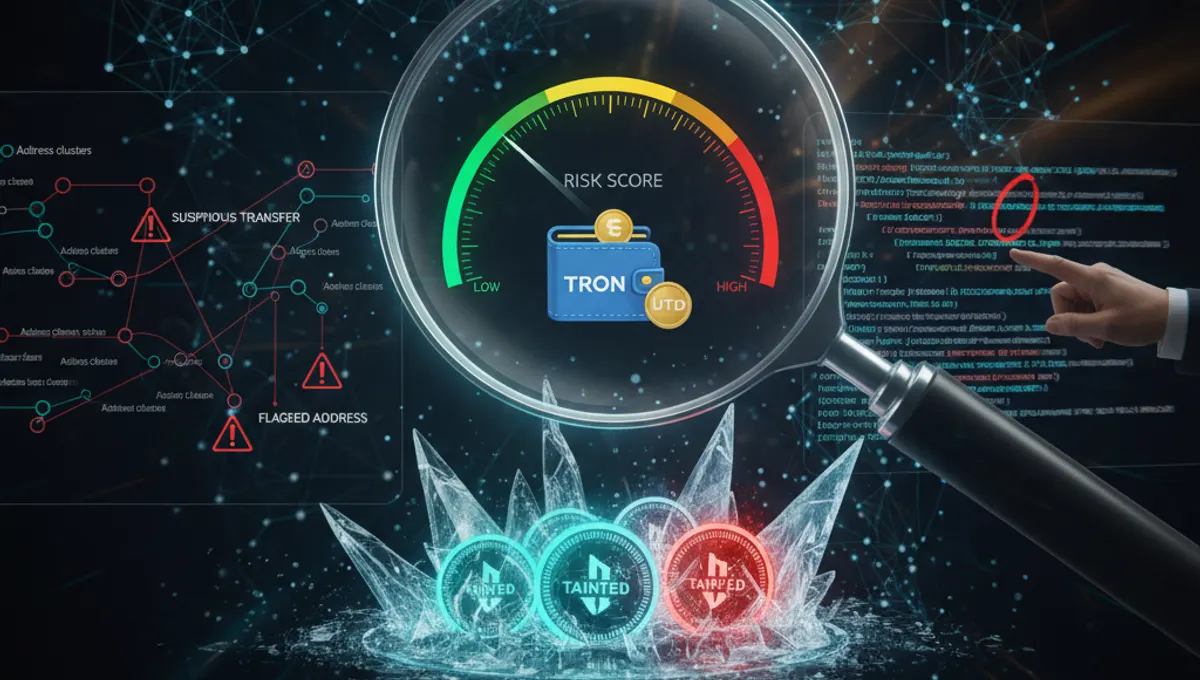
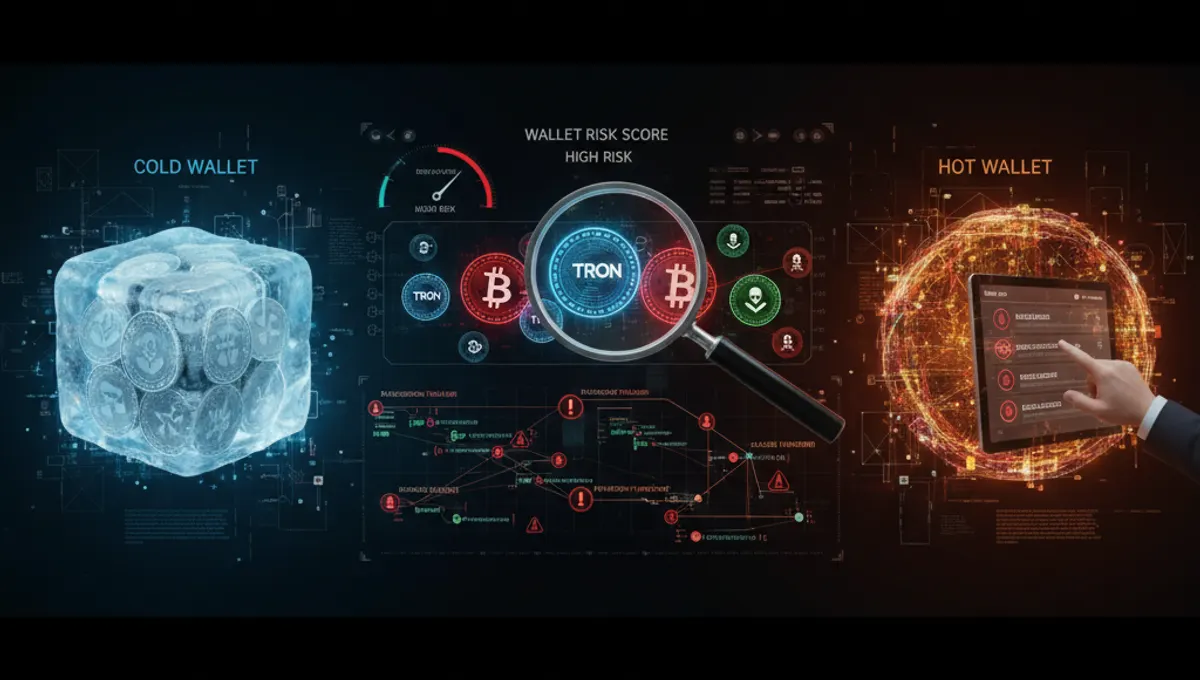
A lost crypto wallet search app is a platform that lets you look up blockchain addresses and retrieve their transaction history and risk profile. Unlike a standard blockchain explorer, these apps focus on compliance screening: they cross-reference addresses against sanctions lists, mixer databases, darknet market wallets, and theft records. When you search for a wallet—whether Bitcoin, Tron (TRX), or USDT TRC20—the app returns an AML risk score and flags high-risk activity. This is essential for anyone receiving cryptocurrency from unfamiliar sources or managing compliance obligations. The app typically works across multiple blockchains and provides instant results without requiring you to understand blockchain mechanics.
How Does Crypto Wallet AML Risk Scoring Work?
An AML risk score is a numerical rating that reflects the likelihood a wallet has been involved in illicit activity. The scoring system analyzes several factors: transaction history with known mixers or darknet markets, connections to stolen funds, sanctions list matches, and behavioral patterns like rapid fund movement or layering. Scores typically range from 0 (clean) to 100 (high risk). A wallet with a score above 70 may be flagged by exchanges and result in frozen USDT or account bans. Risk scoring uses machine learning and rule-based detection to identify suspicious patterns. The app explains which factors contributed to the score, so you can decide whether to accept the risk. Different services may weight factors differently, which is why checking through verified AML services listed on this site provides consistent, reliable results.
Step-by-Step: How to Search and Check a Wallet Address
1. Open a trusted lost crypto wallet search app or visit the AML Services page on this site to select a verified screening tool.
2. Copy the wallet address you want to check (Bitcoin, Tron, Ethereum, or USDT TRC20).
3. Paste the address into the search field and click 'Check' or 'Screen'.
4. Wait for the scan to complete—most apps return results in seconds to minutes.
5. Review the AML risk score and detailed report, which typically includes: transaction history, connections to known risk entities, sanctions matches, and darknet exposure.
6. Check the 'Tainted Coins' or 'Stolen Funds' section to see if any inbound transactions are flagged.
7. If the score is acceptable (usually below 50), you can proceed; if it's high, contact the sender or decline the transaction.
8. Export or save the report for compliance records if needed.
What Risk Score Levels Mean and When to Reject Wallets
Risk scores guide your decision on whether to accept cryptocurrency from a wallet. A score of 0–30 indicates a clean wallet with minimal illicit exposure; these are generally safe. Scores of 31–60 suggest moderate risk: the wallet may have interacted with mixers or unverified sources, but no direct theft or sanctions violations are detected. Scores above 60 are high-risk and warrant caution; many exchanges will freeze USDT or ban accounts linked to these wallets. Scores above 80 are critical: the wallet is likely connected to stolen funds, darknet markets, or sanctioned entities and should be rejected. When receiving USDT or TRX, establish a threshold (e.g., reject anything above 50) and stick to it. The app should explain which factors drove the score so you can assess whether the risk is acceptable for your use case.
Common Risk Flags: Mixers, Darknet, Theft, and Sanctions
Several red flags appear in wallet screening reports. Mixer exposure means the wallet has sent or received funds through a mixing service designed to obscure transaction trails; this raises compliance concerns. Darknet market connections indicate the wallet has transacted with known illegal marketplaces. Stolen funds flags show that inbound transactions originated from theft or hacking incidents. Sanctions violations mean the wallet is linked to individuals or entities on government sanctions lists (OFAC, EU, UN). Gambling and scam connections flag wallets tied to Ponzi schemes or fraudulent projects. Rapid layering—frequent transfers to multiple wallets in short timeframes—suggests an attempt to hide fund origins. A single flag doesn't always mean reject; context matters. However, multiple flags or a high risk score combined with stolen funds or sanctions exposure should trigger rejection. Use the app's detailed breakdown to understand which flags apply.
Comparing Lost Wallet Search Apps and AML Screening Services
Different apps offer varying coverage, speed, and accuracy. Some focus on Bitcoin and Ethereum; others include Tron and USDT TRC20. Free tools often provide basic risk scoring but limited detail on specific risk factors. Paid services typically offer comprehensive reports, API access for bulk screening, and compliance documentation. Response time varies from instant to several minutes depending on blockchain congestion and database size. Accuracy depends on the quality of the underlying data: sanctions lists, mixer databases, and theft records. For the most reliable results, check wallets through the verified AML services listed on this site—they combine multiple data sources and provide audit trails for compliance. When choosing an app, verify it covers the blockchains you use (Tron, Bitcoin, Ethereum) and offers clear explanations of risk factors, not just a score.
What to Do If Your Wallet Is Flagged as High-Risk or Tainted
If you receive a high-risk score or tainted coins flag, first understand why. Review the detailed report to identify which factors contributed. If the flag is a false positive (e.g., the wallet once received funds from a mixer but is otherwise legitimate), you can appeal or provide context to exchanges. If the flag is accurate—the wallet is connected to stolen funds or sanctions violations—do not accept the cryptocurrency. Contact the sender and ask for an alternative wallet or payment method. If you've already received flagged funds, do not attempt to hide them; instead, report the incident to your exchange and comply with any freeze or investigation. Exchanges may permanently ban accounts that knowingly handle tainted USDT or TRX. Proactive screening before receiving funds is far simpler than dealing with frozen accounts or regulatory scrutiny after the fact.
Frequently asked questions
Can I search for a lost crypto wallet address online?
Yes, blockchain explorers and AML screening apps let you search for wallet addresses by pasting them into a search field. The app returns transaction history, balance, and risk profile. However, if you've lost your private keys, you cannot recover the wallet itself—only view its public activity. Use a lost crypto wallet search app to verify the address belongs to you before attempting recovery.
What does a crypto wallet risk score mean?
A risk score (typically 0–100) rates the likelihood a wallet has been involved in illicit activity. Scores below 30 are clean; 30–60 indicate moderate risk; above 60 is high-risk. The score is based on transaction history, sanctions matches, mixer exposure, and stolen funds detection. Exchanges often freeze accounts or reject USDT transfers from wallets scoring above 70.
How do I check if a crypto wallet has tainted or stolen coins?
Use an AML screening app to scan the wallet address. The report will flag if inbound transactions are linked to theft, hacking, or fraud. Look for sections labeled 'Tainted Coins,' 'Stolen Funds,' or 'Risk Factors.' If flagged, the coins may be frozen by exchanges or rejected during deposit. Always screen wallets before receiving USDT or TRX from unknown sources.
What happens if I receive cryptocurrency from a high-risk wallet?
Exchanges may freeze your account or reject the deposit if the incoming wallet is flagged for sanctions, theft, or darknet exposure. You could face compliance investigations or permanent account bans. Proactive screening before accepting funds prevents this. If you've already received flagged funds, report it to your exchange immediately and cooperate with any investigation.
Are there free crypto wallet search apps?
Yes, some apps offer free basic screening with limited detail. However, comprehensive reports—including sanctions checks, mixer detection, and stolen funds analysis—typically require paid subscriptions. For reliable, audit-ready results, use verified AML services listed on this site, which balance cost and accuracy for compliance needs.